Watching your little one hover at the edge of the playground, or come home upset that "nobody would play with me," is a particular kind of ache. The good news: making friends is not a fixed personality trait your child either has or hasn't. It's a handful of learnable skills — and early childhood is the perfect time to practise them.
The skills under "making friends"
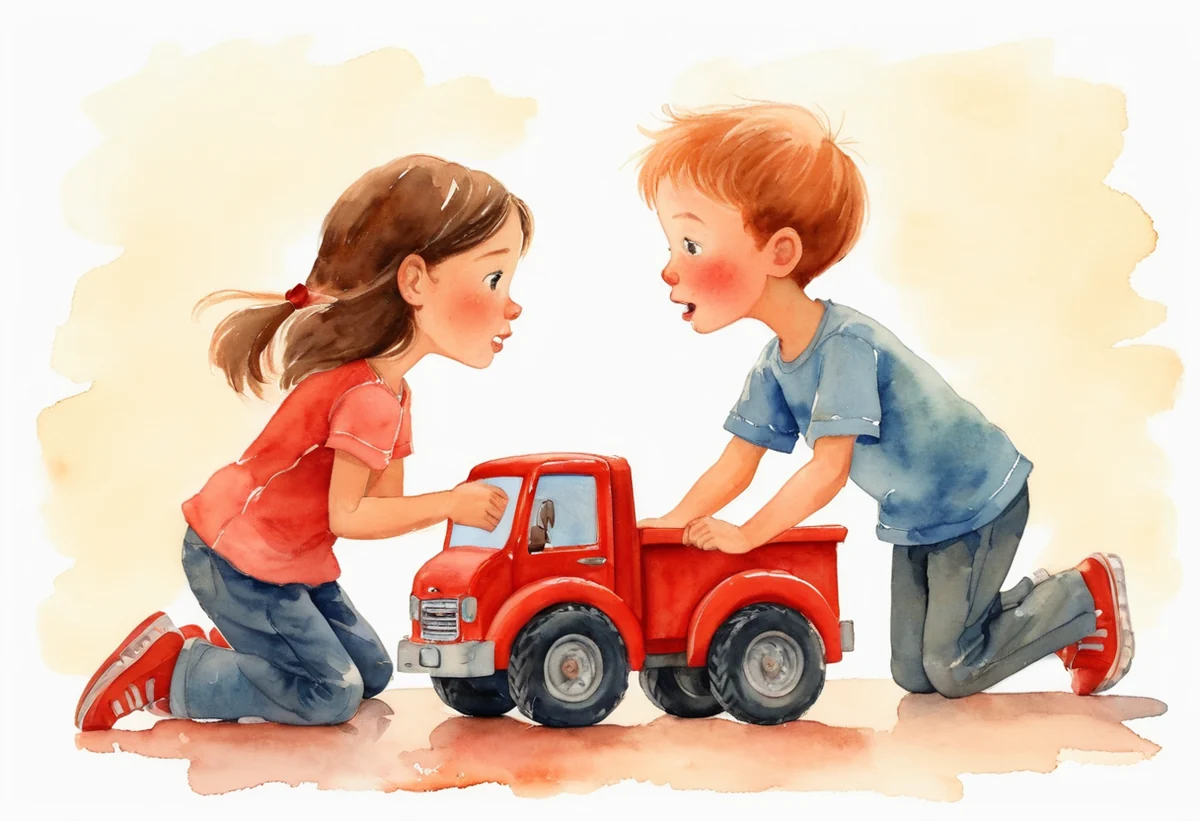
Behind every easy friendship are small abilities we forget we ever learned: how to join a game, how to take turns, how to handle "no," how to say sorry. A shy or struggling child usually isn't unfriendly — they just haven't got the moves yet. And moves can be taught.
What actually helps
- Rehearse the opening line. "Can I play too?" is surprisingly hard the first time. Practise it at home so it's ready when it counts.
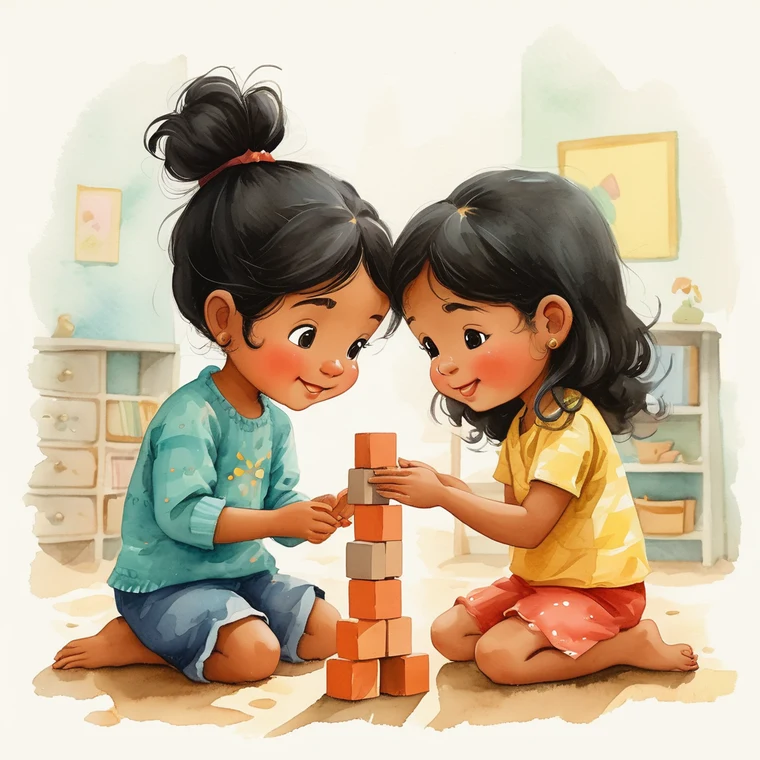
- Coach turn-taking through play. Board games and pretend play are friendship practice in disguise — winning, losing and waiting your turn.
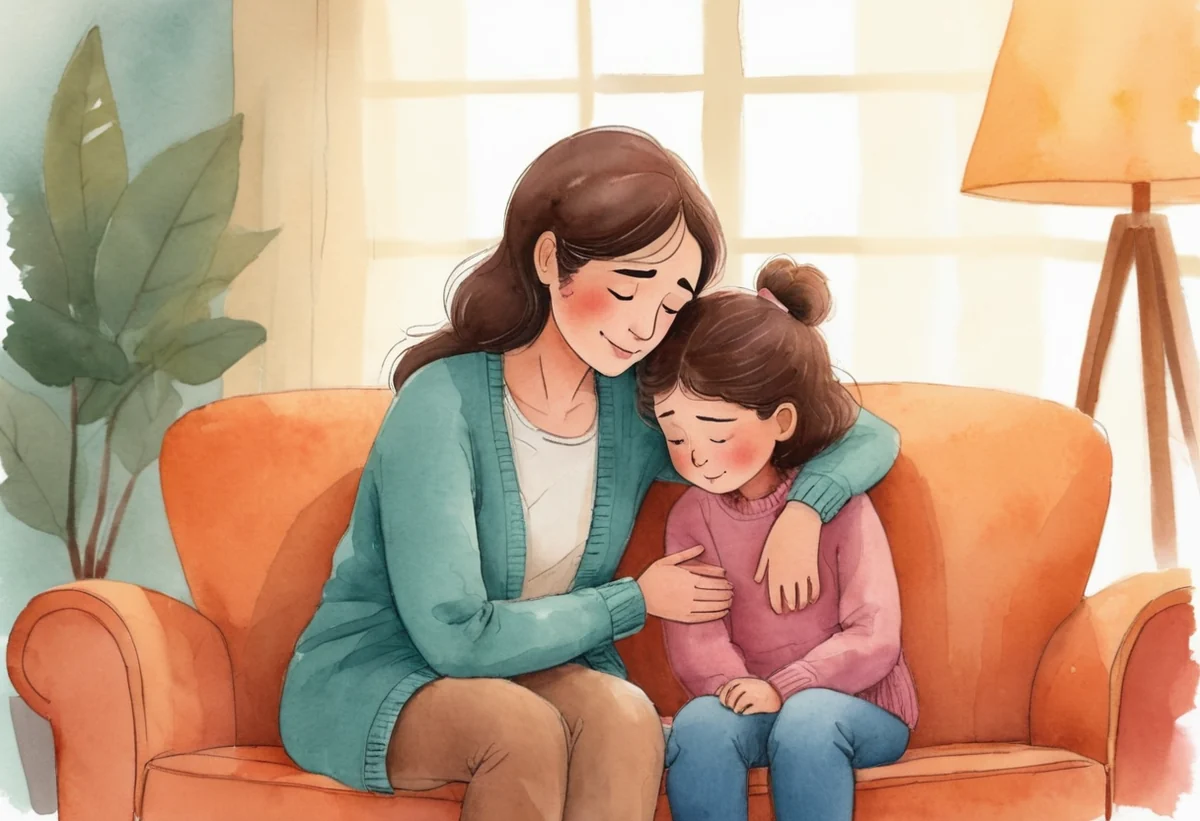
- Name the feeling, then the fix. "You felt left out — that's horrible. What's one thing you could try tomorrow?" builds a problem-solver, not a victim.
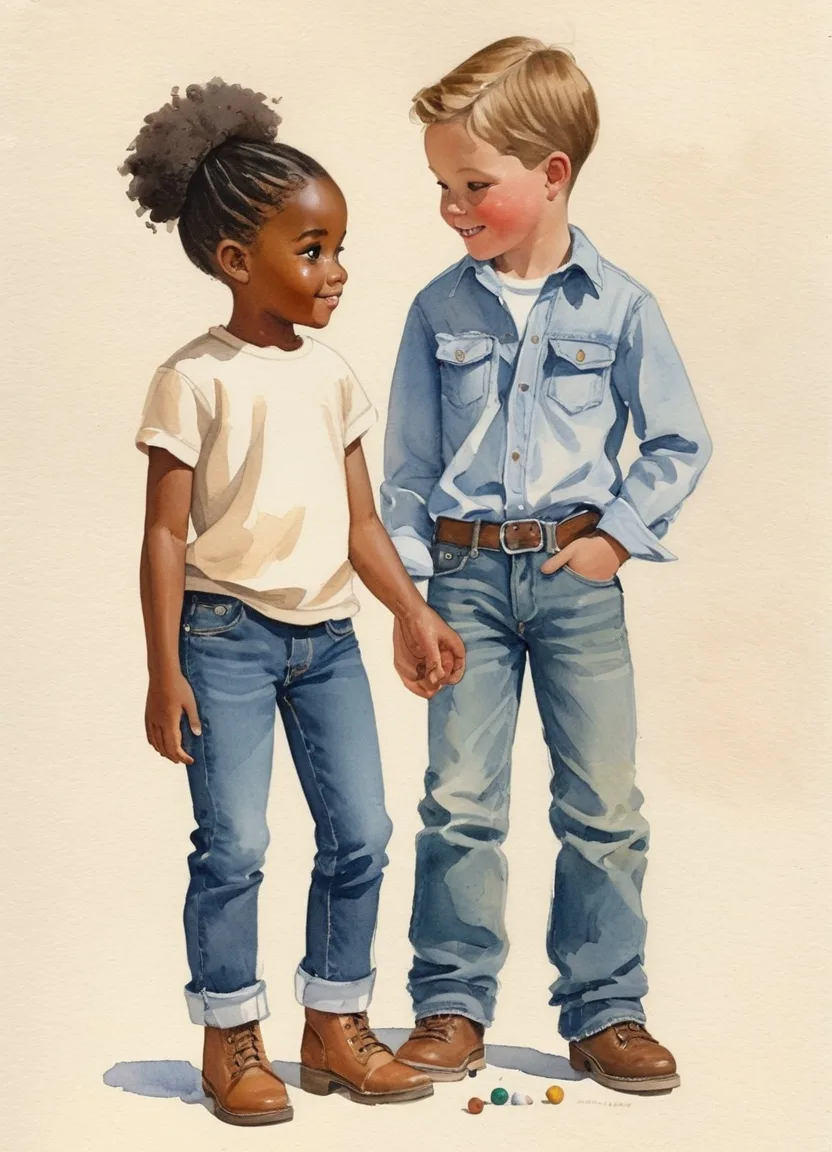
- Quality over quantity. One kind, steady friend matters far more than being popular. Say so, often.
Go gently
Some children make friends in a flash; others need more time and a smaller circle, and both are completely fine. Your job isn't to engineer popularity — it's to hand them the small skills and the confidence to keep trying.
Our Will You Be My Friend? scenarios turn these skills into short, playful stories you can talk through together.