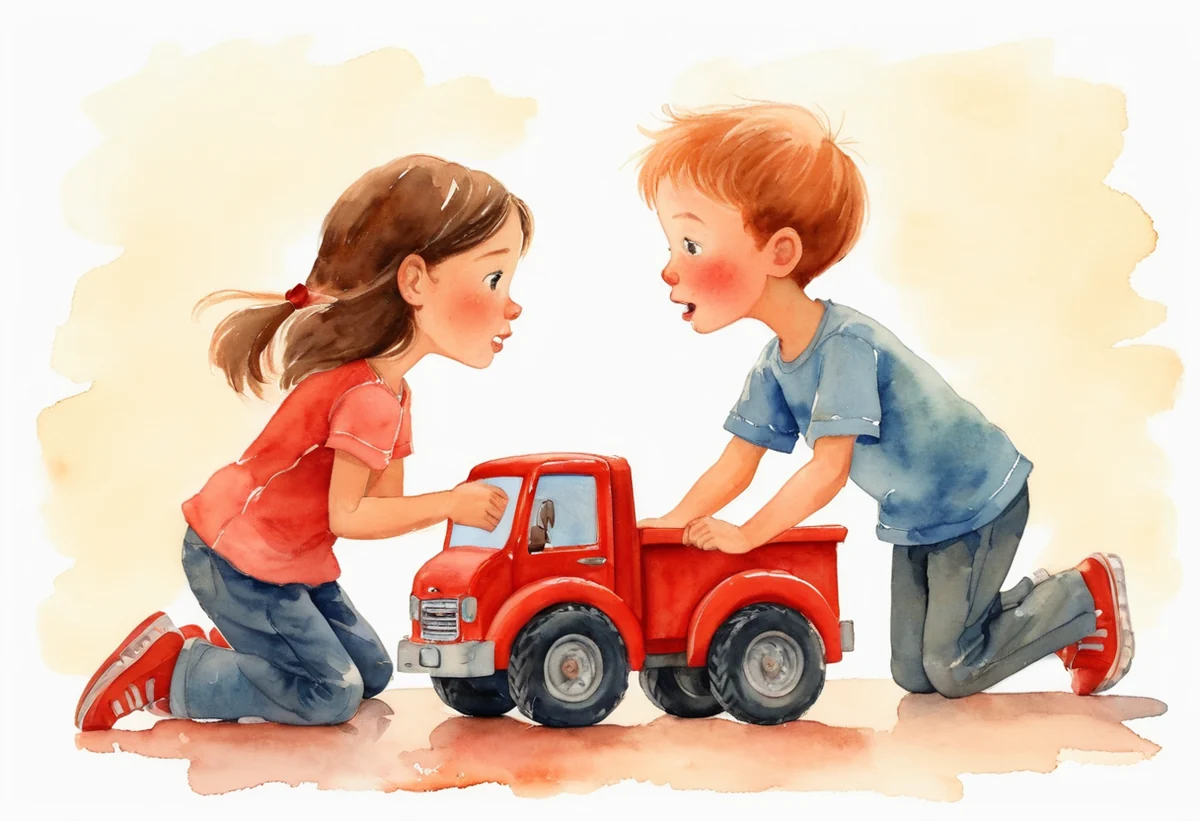
Catching your child in a lie can feel like a small betrayal. But most childhood lying isn''t about deceit — it''s about avoiding trouble, protecting a feeling, or wishing something were true. How you handle the moment shapes whether they learn honesty is safe, or just that they need to lie better.
Lower the cost of the truth
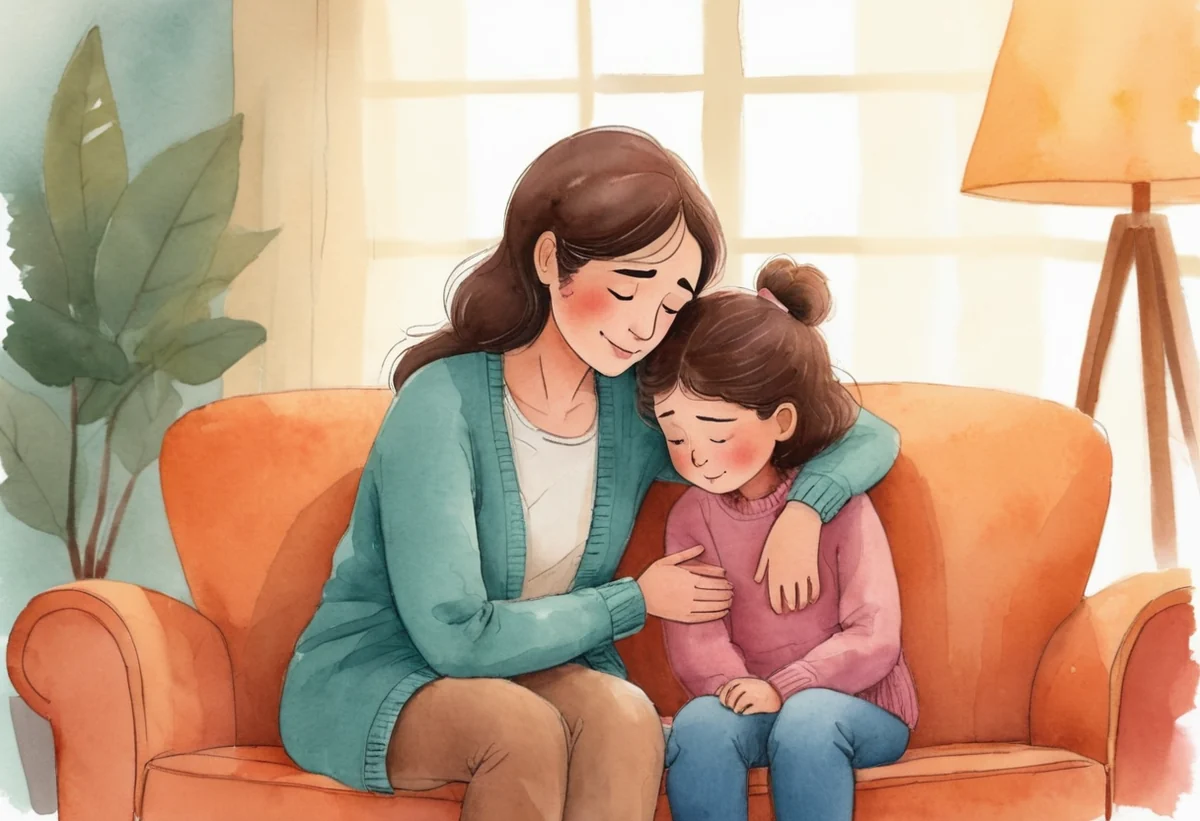
Kids lie most when the truth feels too dangerous. If every honest confession meets a big punishment, honesty becomes the more expensive option. Make it cheaper: "Thank you for telling me — that was brave. Now let''s sort it out together."
Punish the lie harder than the mistake, and you teach a child to hide. Make the truth safe, and you teach them to bring it to you.
In the moment
- Don''t set traps. If you already know, skip "Did you do this?" — it invites another lie. Try "I know what happened; let''s talk about it."
- Separate the deed from the child. "That was a lie" — not "You''re a liar."
- Say why honesty matters. "I can only help you if I know what''s real."
Honesty grows in homes where the truth is safe to tell — even when it''s disappointing.